How to Choose the Best Titanium Products?
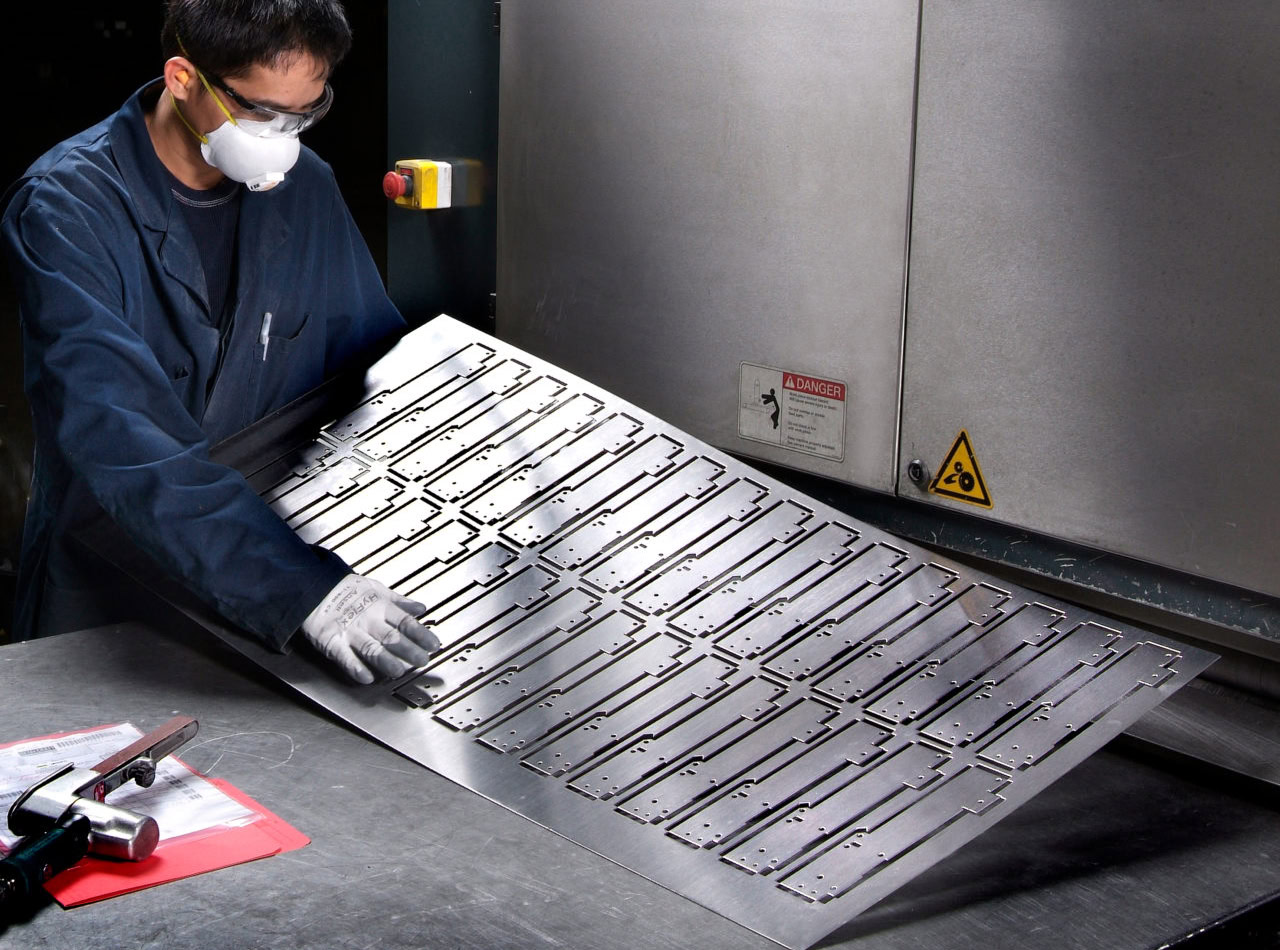
Titanium selection requires prioritizing material purity and mechanical standards, as Grade 5 (Ti-6Al-4V) maintains 890 MPa yield strength at 20 degrees Celsius. Buyers must demand ASTM B265 or B348 certifications to ensure interstitial elements like oxygen remain below 0.20 percent to prevent brittle fractures. Validating the Mill Test Report remains the primary method to confirm that the titanium batch originated from vacuum arc remelting, ensuring consistent density and structural integrity for demanding aerospace or medical applications.
Choosing the right metal starts with understanding that Grade 2 titanium, used in 65 percent of chemical processing components, provides superior ductility with a 20 percent elongation rate. Its ability to form a stable oxide layer protects against chloride-induced corrosion up to 100 degrees Celsius, making it a reliable workhorse for marine infrastructure.
When comparing material specifications, industry leaders often reference the high-performance database at wstitanium to match specific alloy compositions with mechanical load requirements.
Engineers evaluating high-stress components must look beyond standard CP grades and examine alpha-beta alloys like Ti-6Al-4V ELI (Extra Low Interstitials), which are specifically processed for orthopedic implants. Since 2012, medical device manufacturers have tightened limits on vanadium content, keeping it strictly between 3.5 and 4.5 percent to maintain long-term biocompatibility within human tissue.
| Alloy Grade | Tensile Strength (MPa) | Primary Application |
| Grade 1 | 240 | Cryogenic vessels |
| Grade 5 | 895 | Aircraft turbine blades |
| Grade 7 | 345 | Acid-rich environments |
The shift toward powder metallurgy has changed procurement, as 3D-printed titanium parts now undergo hot isostatic pressing to eliminate porosity and achieve 99.9 percent theoretical density. Suppliers must demonstrate that their HIP process operates at temperatures exceeding 900 degrees Celsius to effectively collapse internal voids that might otherwise trigger fatigue failure in rotating hardware.
Corrosion resistance in saltwater environments relies on the self-healing rate of the passive TiO2 film, which develops almost instantaneously when exposed to oxygen. Tests show that Grade 7, which incorporates 0.12 to 0.25 percent palladium, exhibits a corrosion rate of less than 0.01 mm per year even in boiling 10 percent hydrochloric acid solutions.
Manufacturing precision impacts performance as much as the chemical composition, particularly when dealing with cold-rolled sheets versus hot-rolled plates. Hot-rolled plates often show a 15 percent variation in grain size across the cross-section, requiring secondary annealing to normalize the microstructure before machining complex geometry parts.
Thermal expansion coefficients also dictate selection, as the alloy must match the expansion rates of mating materials to avoid thermal stress fatigue during cycling. Titanium expands at 8.6 x 10^-6 per degree Celsius, a factor that designers must account for when fastening titanium bolts into aluminum or steel housing structures in high-heat environments.
Surface treatments such as anodizing or plasma electrolytic oxidation improve wear resistance, providing a hardness increase from 30 HRC to over 50 HRC on the surface layer. This treatment is standard for sliding parts in aerospace actuators, ensuring that friction does not compromise the protective oxide layer during thousands of operational cycles.
Traceability remains the standard for quality assurance, with modern supply chains tracking ingots from the initial sponge extraction stage through final metallurgical inspection. Reliable suppliers provide documentation showing the carbon content stays below 0.08 percent, preventing carbide precipitation that could reduce ductility during subsequent welding or thermal forming operations.
Choosing the appropriate fastener grade involves calculating the shear strength relative to the intended torque specs, as Grade 5 bolts can safely support 550 MPa of shear load. Over-tightening titanium fasteners beyond their yield point leads to galling, a phenomenon where threads fuse together, necessitating the use of anti-seize lubricants with molybdenum disulfide for consistent installations.